


Expense reimbursements are a regular part of operations for most SMEs, whether here in Sri Lanka, Australia, or the Philippines. Whether it’s a team member covering transport to a client site, purchasing stationery, or handling small-scale logistics, these expenses add up quickly. Yet, many SMEs still rely on informal methods to track and approve reimbursements, leading to frequent errors and growing frustration on both ends.
That’s where HRIS-driven expense tracking makes a real difference. By moving your expense management process into a digital, structured system, you can reduce manual errors, improve accountability, and streamline payroll-linked reimbursements.
Here are five practical ways HRIS-driven expense tracking helps reduce errors and improve control.
1. Standardized Expense Submission
One of the most common sources of reimbursement mistakes is unclear or inconsistent submission formats. Employees might submit handwritten receipts, scanned notes, or even vague text messages explaining what was spent. This not only leads to confusion but also increases the risk of missing key information such as date, amount, or purpose.
An HRIS platform standardizes the process. Employees upload expenses using a predefined template, often with built-in fields for category, project, receipt attachment, and more. This ensures every submission contains the necessary details from the start, reducing back-and-forth between employees and finance teams.
2. Real-Time Visibility and Approval Workflows
Without a system in place, expense approvals are often delayed due to unclear communication. Line managers may forget to approve claims, or HR may not have visibility into what is pending. These delays not only slow down reimbursements but also frustrate employees who expect timely paybacks.
With HRIS expense tracking, every claim enters a visible workflow. Managers can see pending approvals in real time, and employees get notified when actions are taken. This structured visibility reduces the chance of missed approvals or duplicate reimbursements, and ensures timely resolution.
3. Automated Policy Enforcement
Every SME has some version of an expense policy. But without a system to enforce it, employees may unintentionally claim more than they’re allowed, or submit expenses that fall outside the company’s guidelines.
An HRIS can help here by setting predefined rules. For example, it can automatically flag or reject claims that exceed daily travel allowances or lack receipt attachments. It also allows businesses to set different limits or policies for different teams or locations. This prevents human error and ensures fairness in reimbursements.
4. Integration with Payroll for Faster Reimbursement
When expense reports are processed separately from payroll, it’s easy for finance teams to lose track or delay reimbursements. Employees may have to wait weeks for their dues, especially if manual Excel-based processes are followed.
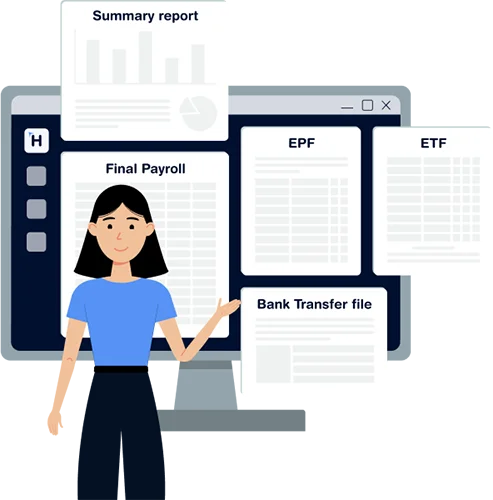
An HRIS integrates expense data directly with payroll. Once an expense is approved, it can be automatically scheduled for reimbursement along with the employee’s monthly salary. This ensures that no claim is forgotten and improves employee trust and satisfaction.
For SMEs, this kind of automation can save hours of manual work each month while also eliminating delays and reducing reconciliation issues.
5. Clear Audit Trail and Reporting
In the absence of digital systems, finding past expense data becomes a painful task. When was that claim submitted? Was it reimbursed or not? Who approved it? This lack of clarity becomes a problem during internal reviews, tax filing, or even when addressing employee concerns.
HRIS systems maintain a detailed audit trail of each transaction. You can pull up reports that show what was claimed, when it was approved, how it was categorized, and when it was reimbursed. This not only reduces errors but also improves compliance and transparency within the business.
Whether for internal control or external audits, these reports give SMEs the confidence to handle expenses professionally.
Why SMEs Should Take Expense Tracking Seriously
It may seem like a small part of HR operations, but inaccurate or delayed reimbursements can damage employee morale and create unnecessary financial confusion. For growing SMEs in Sri Lanka, where every rupee and every hour matters, an HRIS-driven expense tracking process offers a simple yet powerful solution.
With fewer mistakes, faster processes, and better control, SMEs can save both time and money, while also showing their employees that they value their time and effort.