
Annual Leave vs Casual Leave in Sri Lanka
Annual leave is 14 planned days earned the year before. Casual leave is 7 days for illness or urgent private business, used the same year.
On this page
- Annual leave and casual leave side by side
- Notice: how far ahead each must be requested
- Can casual leave be refused?
- Do this automatically in Humanised
- The first-year rules for both
- What happens to an unused balance in each case
- Sick days when there is no statutory sick leave
- Common mistakes
- What to keep as records
- Frequently asked questions
- Can I convert unused casual leave into annual leave, or the other way round?
- Can casual leave be taken in half-days?
- Do these numbers apply to factory and retail-trade staff too?
- What happens if an employee needs more than 7 days of casual leave in a year?
- Does casual leave need a reason on record?
Under the Shop and Office Employees Act, annual leave is 14 days a year. You earn it the year before and plan it in advance. Casual leave is 7 days a year, for the employee’s urgent private business or sudden illness. It is used as it comes up, in the same year. Both are paid in full. Factory and Wages Board trades work differently. Check the Wages Board decision for your trade.
Annual leave and casual leave side by side
| Annual leave | Casual leave | |
|---|---|---|
| Days a year | 14, with full pay | 7, with full pay |
| Earned | The year before it is taken | Builds up through the year it is used |
| Purpose | Planned time off | Illness or urgent private business |
| Notice | Applied for and approved in advance | Usually short notice, sometimes same-day |
| Half-days | Not addressed by the Act; a matter of policy | Common in practice; a matter of policy |
| Encashable (paid out as cash) | On termination only, per s.6(6)–(7) | No |
| Carries forward | By employer policy, not statute | Lapses at year end unless policy says otherwise |
| Source | Shop and Office Employees Act s.6(1) | Shop and Office Employees Act s.6(3)–(4) |
Source: leave entitlements in Sri Lanka, Shop and Office Employees Act ss.6(1)–(4).
Notice: how far ahead each must be requested
Annual leave should be planned. The Act lets an employee take at least seven of the fourteen days in a row. The employer and employee agree the timing. It must be given in the year after it is earned. Because it is earned the year before, both of you know the balance well ahead. You can roster around it.
Casual leave has no notice period in the Act. It exists for things that cannot be planned: sudden illness, a family emergency, an urgent errand. Most employers accept same-day or next-day notice by phone or message, and mark the leave on return.
Can casual leave be refused?
The Act does not give you a right to refuse casual leave outright. But it is not automatic once the seven days are used up. In practice: if the balance is used up, the day is unpaid unless you choose otherwise. If the balance exists but the timing is awkward, you can ask the employee to confirm cover is arranged. This happens when several people in a small team want the same day. You cannot simply refuse statutory leave that is genuinely for illness or urgent private business. Write down in the handbook how casual leave is requested and what counts as “urgent”. This keeps refusals rare and consistent.
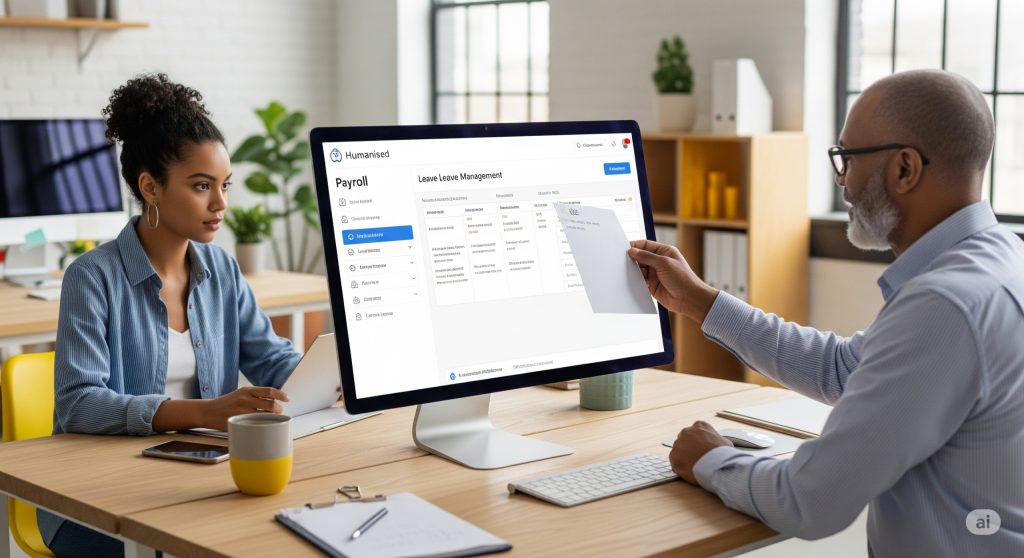
Do this automatically in Humanised
A leave management system holds your leave types and accrual rates, so you don’t need a spreadsheet. It records approvals in the app. No-pay days flow straight into payroll.
The first-year rules for both
Neither entitlement starts at the full statutory number in year one:
| Joined between | Annual leave, first year | Casual leave, first year |
|---|---|---|
| 1 January – 31 March | 14 days (taken the following year) | 1 day per 2 completed months, used that year |
| 1 April – 30 June | 10 days | Same accrual rule |
| 1 July – 30 September | 7 days | Same accrual rule |
| 1 October – 31 December | 4 days | Same accrual rule |
Example: an employee joins on 15 August. They earn 7 days of annual leave for that first year. It is taken the following year. They also earn the full 14 days in year two, taken in year three. By 31 December of year one they have completed 4 months. So 2 days of casual leave are ready to use straight away.
What happens to an unused balance in each case
Annual leave that is not taken is not automatically lost. The Act’s carry-forward and cash-payment rules only apply on termination. There, the employee gets the previous year’s balance plus one day for every completed month of the current year, up to fourteen. If notice is too short to take the leave, the employer pays cash instead. This is called pay in lieu. Whether unused annual leave carries into the next working year while someone is still employed is up to company policy. See whether unused annual leave carries forward for how to set that policy safely.
Casual leave works differently. It cannot be paid out as cash. By convention it lapses at the end of the year it was earned for, unless your policy is more generous. There is no statutory carry-forward to protect.
Sick days when there is no statutory sick leave
The Act does not create a separate sick-leave entitlement for shop and office employees. Illness is one of the two reasons for casual leave, alongside urgent private business. Once the seven casual days are used, most Sri Lankan employers grant extra paid medical leave by policy. This is commonly 7 to 14 days a year against a medical certificate. But it is a company benefit, not a legal minimum. Write the number, the certificate rule and whether it is paid into the appointment letter or handbook. Then employees know what to expect, and the policy can be enforced.
Common mistakes
- Treating casual leave as encashable, or paying it out on exit like annual leave.
- Refusing casual leave outright, rather than managing timing when balances are genuinely available.
- Applying the full 14-day annual leave and 7-day casual leave from day one, with no first-year proration.
- Not writing a medical or sick leave policy at all, then disputing “sick days” that were never defined.
What to keep as records
Section 18 of the Act requires a record of leave taken and overtime worked for every employee. A Labour Officer can inspect it. Keep, per employee: the leave year, opening balance, days earned, days taken with dates and reason (annual, casual, medical), and the closing balance. Use the leave entitlement calculator to check one employee’s proration quickly. A leave system keeps the whole register for you.
This is general payroll guidance. Every case is different. For your own case, speak to a payroll practitioner or a lawyer.
Frequently asked questions
Can I convert unused casual leave into annual leave, or the other way round?
No. The Act treats them as separate entitlements for separate purposes. Casual leave cannot be paid out as cash. Some employers informally let staff use annual leave for what would otherwise be a casual-leave situation. But casual leave cannot stand in for planned annual leave. The Act does not allow that.
Can casual leave be taken in half-days?
The Act is silent on half-days for either entitlement. Granting casual leave, and often annual leave, in half-day units is standard, sensible practice. Write the rule into your policy so it applies consistently.
Do these numbers apply to factory and retail-trade staff too?
Only shop and office employees are covered by these exact figures. Some trades work under a Wages Board decision instead. This covers garment manufacture, hotels and catering, security, and around forty other trades. Their leave numbers come from that trade’s own Wages Board decision. It is usually similar, but check it separately.
What happens if an employee needs more than 7 days of casual leave in a year?
Once the statutory 7 days and any policy medical leave are used, further absence is unpaid. You can still choose to grant paid leave as a benefit. The employee can also use annual leave instead, if they have any left.
Does casual leave need a reason on record?
The Act does not set a form for this. But recording a reason (illness or private business) protects both sides if the balance or the pattern of use is ever questioned.
Was this article helpful?
Your feedback helps us improve these guides.